Best Cardboard Boxes for Fruit and Vegetables for Farms
Designing the Ideal Custom Produce Boxes: A Step-by-Step Guide
Creating specialized fruit and vegetable boxes demands a strategic approach. Professionals must evaluate sustainability, functionality, and visual appeal. Selecting the right materials is vital for preserving freshness and supporting eco-friendly practices. Furthermore, dimensions and shape can significantly affect ease of use and shipping efficiency. Effective graphics strengthen company recognition, while comprehensive testing ensures durability. Comprehending these elements will reveal important understandings into developing standout container solutions that resonate with consumers. What follows next is critical to reaching those goals.
Picking the Ideal Materials for Custom Produce Boxes
When evaluating materials for custom produce boxes, it is crucial to review both usefulness and sustainability. The choice of material significantly influences the box's strength, weight, and go now ability to protect the contents. Common materials feature corrugated cardboard, which delivers strength and is recyclable, making it a popular choice for eco-conscious businesses. Biodegradable options, such as molded pulp or plant-based plastics, also promote sustainable practices while delivering adequate protection for delicate produce.
Furthermore, moisture resistance is essential for maintaining freshness, prompting some manufacturers to explore processed substrates or advanced protective layers. The visual attractiveness of the box is important to consider, as packaging design and brand identity can influence consumer perception. Ultimately, the right material should strike a balance between safeguarding the product, attracting consumers, and adhering to environmental standards, guaranteeing that practicality and eco-consciousness are emphasized in the development phase.
How to Pick Size and Shape for Performance?
When deciding on the form and dimensions of custom produce boxes, thorough evaluation of produce dimensions is essential for proper storage. Additionally, attention to movement and transportation can impact the box structure, ensuring ease of movement. Optimizing shelf space usage further improves functionality, enabling efficient display and storage.
Examine Produce Dimensions Carefully
Picking the ideal proportions and form for fruit containers is necessary for efficiency and effectiveness. Detailed assessment of produce size is paramount, as it ensures that items fit snugly without excess room that might cause damage during transport or warehousing. Custom-designed containers need to accommodate diverse configurations, from fragile fruits to bulky produce, while upholding structural integrity. Moreover, the vertical and horizontal measurements of the boxes should promote layered storage and systematic arrangement, optimizing space in storage locations. A skillfully made box not only protects the produce but also enhances attractiveness for purchasers. In conclusion, deliberate measurement analysis of dimensions supports reducing waste and improving overall user experience in the supply chain.
Evaluate Handling and Transport
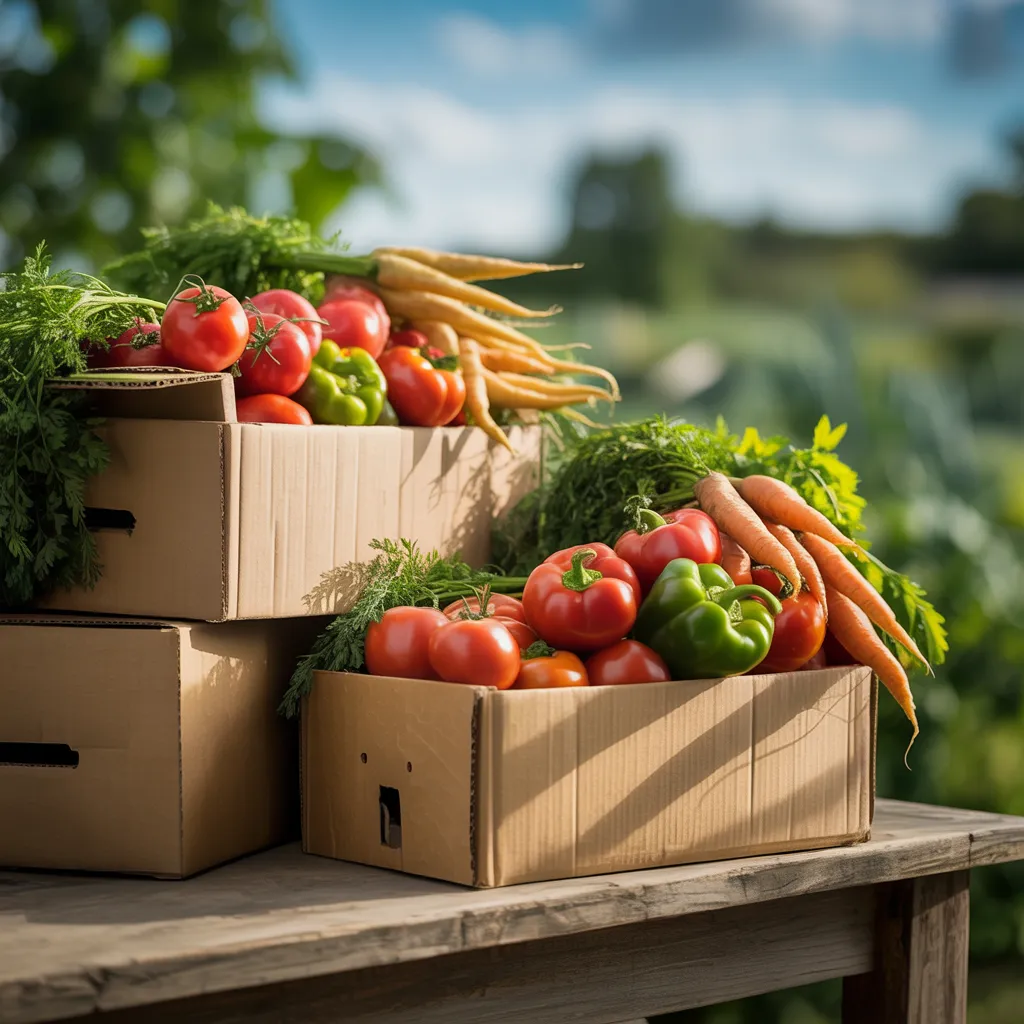
Handling and delivery considerations have a significant part in determining the right dimensions and shape of custom produce boxes. The dimensions need to accommodate the produce without unneeded area, which might cause movement and harm during transport. Small boxes make easier management, whereas big containers might be essential for larger products. Also, thoughtful design is essential; grip points or openings ought to be deliberately placed to allow for easy lifting and transport. The shape relating to the container equally affects stacking and steadiness, ensuring that products stay secure. Finally, careful consideration of these factors strengthens the efficiency of transport, decreases item loss, while supports the overall integrity concerning the fresh goods beginning at field to consumer.
Improve Shelf Space Optimization
Proper shelf space usage is determined by picking the ideal measurements and configuration of bespoke vegetable packaging. Professionals should examine the proportions of the display racks as well as the types of foodstuffs being stored. Box-shaped boxes often promote efficient use of space, supporting for improved arrangement and fitting. Yet, varied forms can enhance visual appeal but may produce unutilized areas if not well planned.
It's critical to assess the merchandise movement rate; slow-turning items might take advantage of compact, readily accessible boxes. Furthermore, incorporating modular or adjustable designs can accommodate multiple produce sizes while optimizing display organization. By prioritizing aesthetic and functional qualities, businesses can develop a practical and aesthetically pleasing presentation that boosts both ease of access and promotional impact.
How to Design Graphics That Capture Attention?
Engaging visuals can transform a simple custom produce box into a visual masterpiece that captures interest. To accomplish this, designers should begin by choosing a color palette that reflects the freshness and vibrancy of the produce. Vibrant, eye-catching colors can inspire sensations of freshness and health, compelling consumers to take a closer look.
Strong typefaces is also essential; clear and legible fonts can effectively communicate essential information while enhancing visual appeal. Moreover, employing high-quality images of the goods can form instant engagement, showcasing the product's quality and enticing prospective customers.
Furthermore, incorporating original designs and artwork can help differentiate the brand in a crowded market. Consistency in visual features, such as logos and taglines, bolsters brand identity. Ultimately, a blend of creativity and clarity in graphic design can greatly boost the significance of custom produce boxes, making them stand out on shelves.
Sustainable Practices for Custom Produce Box Protective Covering
A surging number of businesses are taking up eco-friendly standards for custom produce box packaging, recognizing its importance in today's ecologically aware market. These protocols often include the use of degradable materials, such as recycled paper and plant-based plastics, which curtail environmental impact. Companies are also zeroing in on conscientious sourcing, verifying that materials are obtained from responsibly managed forests or suppliers who prioritize environmental stewardship.
Additionally, many brands are choosing minimalistic designs that reduce waste while still successfully showcasing their products. This strategy not only attracts environmentally aware consumers but also aids in lowering production costs. Moreover, businesses are progressively adopting streamlined manufacturing processes that limit energy consumption and waste generation. By integrating these eco-friendly practices, companies not only enhance their brand image but also contribute positively to the planet, aligning their operations with a sustainable future.
Verify Your Made-to-Order Produce Box Configuration
Testing the design of personalized vegetable containers is an essential step in guaranteeing they meet both aesthetic and practical requirements. This procedure usually includes assessing factors such as strength, size, and usability. First, prototypes should be created to evaluate the box's physical stability, making certain it can endure shipping and keeping without compromising the contents.
Following this, usability assessments can be executed to evaluate how readily the boxes can be unfastened, closed, and stacked. Suggestions from prospective users can be essential in this period, sharing knowledge of the box's practicality.
Furthermore, the design's visual appeal should be tested through consumer testing panels or questionnaires, gauging customer responses to brand components, colors, and overall presentation.
Ultimately, extensive testing enables designers to improve the box, guaranteeing it not only attracts customers but also properly safeguards and presents the produce within, maintaining the right balance between form and function.
Effectively Marketing Your Personalized Produce Boxes
Effective advertising of personalized produce boxes requires a well-planned strategy that highlights their distinctive advantages and value. Businesses should prioritize identifying their target audience, whether they are local farms, grocery stores, or individual consumers. Harnessing social networking sites can amplify brand awareness, showcasing the boxes' design and practicality through engaging visuals and storytelling.
Moreover, collaborating with local influencers or farmers can enhance credibility and broaden audience. Offering promotions or discounts during seasonal peaks can draw initial customers and encourage repeat business.
Furthermore, emphasizing environmental sustainability and green values in marketing materials can engage sustainability-focused buyers. Communicating detailed information about the materials used and the advantages of bespoke packaging designs can better establish the product in a saturated marketplace.
Ultimately, a comprehensive marketing strategy that integrates digital and community-based initiatives will successfully advertise custom produce boxes, attracting a diverse clientele and driving sales.
Frequently Requested Questions
What Expenses are Included in Custom Produce Box Design?
Expenses tied to custom produce box design encompass supplies, printing, labor, and shipping. Furthermore, creative design and order minimums can influence total expenditures, resulting in fluctuating prices based on particular specifications and scale of production.
What Length of time Is Required to Manufacture Tailored Boxes?
The manufacturing of custom boxes typically takes between two to six weeks. Elements affecting this schedule include design complexity, availability of materials, and production capacity, all of which may impact delivery schedules and turnaround periods.
May I Acquire a Compact Shipment of Made-to-Order Produce Boxes?
Yes, limited amounts of bespoke produce containers can generally be placed. Many suppliers extend minimum order quantities, enabling organizations or people to procure tailored packaging solutions without needing to commit to significant quantities from the beginning.
What Frequent Mistakes Should You Steer Clear Of When Designing Bespoke Packaging?
Frequent mistakes in custom box design encompass overlooking functionality, disregarding brand consistency, undervaluing material quality, not considering target audience preferences, and overlooking environmental impact. Each aspect is vital for effective packaging and customer satisfaction.
How Do I Confirm My Boxes Are Safe for Food?
To confirm boxes are food-safe, one needs to opt for substances qualified for food contact, avoid harmful inks and adhesives, copyright cleanliness during production, and periodically assess for compliance with health regulations and safety standards.